-
 2026 has been a busy year for NASA. Four astronauts flew to the moon for the first trip there by human beings there since Apollo 17 in 1972. The flight of Artemis two also highlights Alabama's role in the US space program. The Marshall Space Flight Center in Huntsville designed, built, tested, and manages the big Space Launch System rocket that sends Artemis missions to Earth orbit. Huntsville has its claim to fame when it comes to NASA, but Opelika does too. One of its favorite sons is retired astronaut Jim Voss. He flew four times on the space shuttle and served on the second full-time crew aboard the International Space Station. A conversation that's out of this world, is next on APR Notebook.
 -
 Astronaut Randy Bresnik flew aboard space shuttle Atlantis in 2009. He later worked aboard the International Space Station. NASA named him Commander, and three other men to be on the crew, of Artemis-3. The astronauts will launch aboard an Alabama built Space Launch System rocket to test one or both of lunar landers NASA may use for the first mission to put people on the moon since Apollo 17 in 1972.
 -
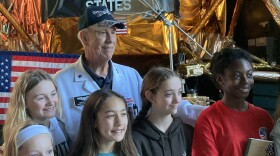 The U.S. Space and Rocket Center in Huntsville announced that retired NASA Apollo engineer Craig Sumner has died. The veteran of the Apollo moon landings, the now retired space shuttle program, and the first two launches of the new Alabama built “Space Launch System” rockets for Artemis, was recovering from surgery this week when he died, the Center said. Sumner was central to Alabama Public Radio's coverage of Artemis-2.
 -
 When NASA planned to send four astronauts to the moon for the first time since 1972, the rocket was built here in Alabama. Artemis-2 took the first people to Earth's nearest neighbor since 1972. It trip was a highlight for the U.S. Space Agency. Alabama played a role in one of its low points, the loss of space shuttle Challenger in 1986. The Artemis crew photographed a spot on the moon called the "Ocean of Storms." An astronaut from Mobile, Alabama was supposed to land there during Apollo 12 in 1969. It didn't happen.
 -
 The dust is settling on the fly-by of the Moon of Artemis-2, and NASA is planning to take a big step this week toward the launch of the next missions, called Artemis-3. These new Moon flights begin with blastoff aboard an Alabama built rocket called the “Space Launch System.”
 -
 The four astronauts of NASA‘s Artemis-2 mission are getting used to life on Earth again. The crew splashed down in the Pacific after their flyby of the Moon. The astronauts took photos of the lunar surface, including one spot called the Ocean of Storms. One astronaut from Mobile was supposed to get a lot closer than that. Clifton Williams was meant to land there during Apollo 12 in 1969.
 -
 Now that the first lunar travelers in more than a half-century are safely back in Houston with their families, NASA has Artemis III in its sights. One question for this plan appears to be, where’s Apollo 10?
 -
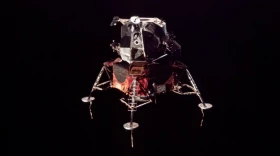 The astronauts of Artemis-2 are getting used to normal gravity after spending nine days in weightlessness. The yet-to-be name crew of Artemis-3 may spend part of their time in orbit facing the same risks as Apollo astronauts Jim McDivitt and Rusty Schweikart in 1969. Those astronauts tested the bug-like lunar lander that Neil Armstrong and Buzz Aldrin would use during the first ever landing on the Moon.
 -
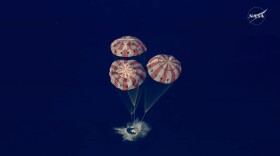 Artemis II’s astronauts returned from the moon with a dramatic splashdown in the Pacific on Friday to close out humanity’s first lunar voyage in more than a half-century. One of the four space shuttle engines used during the upcoming launch of Artemis-3 next year comes from the final launch of the shuttle in 2011.
 -
 When four NASA astronauts blasted off on Artemis-2, something was trending on the social media platform Bluesky. It was called "Challenger trauma." People posted about witnessing the 1986 space shuttle Challenger accident and how they felt a visceral sense of unease as Artemis lifted off from the launch pad. The four astronauts blasted off on a rocket built here in Alabama. The investigation into the loss of Challenger focused, in part, on a statement witnesses say was made by a manager at the Marshall Space Flight Center in Huntsville.

Digital Media Center
Bryant-Denny Stadium, Gate 4
Box 870370
920 Paul Bryant Drive
Tuscaloosa, AL 35487-0370
205-348-6644
© 2026 Alabama Public Radio
Bryant-Denny Stadium, Gate 4
Box 870370
920 Paul Bryant Drive
Tuscaloosa, AL 35487-0370
205-348-6644
© 2026 Alabama Public Radio
Play Live Radio
Next Up:
0:00
0:00
Available On Air Stations


