-
 The dust is settling on the fly-by of the Moon of Artemis-2, and NASA is planning to take a big step this week toward the launch of the next missions, called Artemis-3. These new Moon flights begin with blastoff aboard an Alabama built rocket called the “Space Launch System.”
 -
 Drawing ever closer to Earth, the Artemis II astronauts tidied up their lunar cruiser for the upcoming “fireball” return and reflected on their historic journey around the moon, describing it as surreal and profound. This is the end of their journey, which began aboard NASA's new "Space Launch System" rocket which was designed, built, tested, and managed at the Marshall Space Flight Center in Huntsville.
 -
 After traveling deeper into space than any other humans, the Artemis II astronauts pointed their moonship toward home Monday night . NASA’s Orion capsule reached a maximum distance of 252,756 miles from Earth before hanging a U-turn behind the moon, 4,101 miles farther than Apollo 13. One astronaut from that earlier mission knew it was coming.
 -
 Now more than halfway to the moon, the Artemis II astronauts prepared for their historic lunar fly-around to push deeper into space than even the Apollo astronauts. On the downside, a key piece of equipment is on the blink again.
 -
 The astronauts aboard Artemis-2 are preparing for a fly-by of the moon as part of the mission in space. The trip began with a ride to Earth orbit aboard NASA’s Alabama built new moon rocket called the “Space Launch System,” or SLS. Three of the Artemis astronauts are space veterans. But, none of the crew members flew aboard NASA’s space shuttle which uses solid rocket boosters for blastoff. They shared thoughts on the ride.
 -
 The Four astronauts aboard Artemis-2 are settling into the mission to the moon after a ride to Earth orbit aboard NASA’s new “Space Launch System” rocket that was designed, built, tested, and managed at the Marshall Space Flight Center in Alabama. Wednesday’s blastoff was based on “leftovers” from the retired space shuttle. Specifically, the cluster of liquid fueled engines at the base of the rocket. That includes NASA's last Hubble servicing mission.
 -
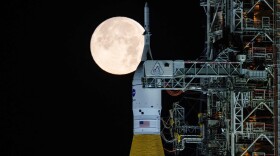 NASA said it's revamping its Artemis moon exploration program to make it more like the fast-paced Apollo program half a century ago. The plan means adding an extra practice flight before attempting a high-risk lunar landing with a crew in two years. This could mean more work in the Huntsville area, with more launches of NASA’s Alabama built super rocket called the “Space Launch System” or SLS.
 -
 APR's Pat Duggins had the chance to talk with NASA Astronaut Bob Hines. The veteran crew member of the International Space Station's Expedition 67 is only the second University of Alabama graduate to fly in space. Two time Space Shuttle pilot James Kelly is the other. Astronaut Hines is on campus for UA Space Days this week. Duggins began his conversation by asking the NASA veteran what inspired him to pursue a career in space.
 -
 NASA is going over data from its Orion crew capsule before declaring the mission a success. The Marshall Space Flight Center in Huntsville is managing the spacecraft and the new rocket that launched it to Earth orbit.
 -
 NASA is already looking ahead to the next chapter in its plan to send astronauts back to the Moon. The agency’s Orion crew capsule successfully splashed down in the Pacific Ocean after its mission on autopilot around the moon and back.

Digital Media Center
Bryant-Denny Stadium, Gate 4
Box 870370
920 Paul Bryant Drive
Tuscaloosa, AL 35487-0370
205-348-6644
© 2026 Alabama Public Radio
Bryant-Denny Stadium, Gate 4
Box 870370
920 Paul Bryant Drive
Tuscaloosa, AL 35487-0370
205-348-6644
© 2026 Alabama Public Radio
Play Live Radio
Next Up:
0:00
0:00
Available On Air Stations


