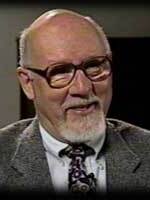
Early in his career, Jack Drake attended a meeting of the National Lawyers Guild in Chicago where he heard Kathy Boudin speak and although Boudin was speaking mainly of active, even violent protest, which Drake rejected, he came away with what he calls “a guiding principle”:
“ ... one person living in a community could change that community, at least in some narrowly focused way.” He later came to understand that his actions in the community would change him, too. This memoir of Drake’s life and career is the story of those changes: those he wrought and those in him, and is, for many of us, also the story of our times.
Drake candidly tells of his upbringing in Gardendale, Alabama. His father had deserted the family and times were hard, but he was raised in security and affection in an environment that was violent and bigoted, but at the same time stressed personal honesty and the need to respect all people.But, Drake laments, that did not include people of color. “Be Not Afraid” is, at its core, a racial conversion memoir.
Drake meets and is influenced by a wide range of people, especially activists like George Dean, Charles Morgan, Judge Frank Johnson, Jay and Alberta Murphy, Sheriff Tom Gilmore of Greene County, and sheds his own racial prejudice as he devotes his life to improving Alabama, as best he can. The number of different causes Drake took up, mostly successfully, is astounding.
He is perhaps best known for his participation in Wyatt v. Stickney. Conditions at Bryce and Partlow were deplorable. Patients were committed without due process, were overcrowded, mistreated, neglected and did not receive the services they were entitled to. Later in this book he acknowledges that the patients were again let down when outpatient, decentralized services never were put in place and many struggled with homelessness and were caught up in the criminal justice system. This situation is still not being addressed properly.
But Wyatt v. Stickney is only one of the many causes Drake has worked at. With law partners at different times, including Ralph Knowles, Ed Still, Joe Pierce and Doug Jones, Drake has addressed injustices by way of supporting the Selma Project, protecting the rights of the Alabama Black Liberation Front, exposing the cruelties of the Alabama prison system, and defending academic freedom, anti-war protesters (especially those in the military), and the right to union organizing.
It has been a long and successful life of public service, narrated here modestly, in very readable prose. Although Drake does not indulge in much that is, shall we say, personal, he does discuss his naïve, youthful racism, his overcoming of alcohol abuse and the importance of his Episcopal faith. In the writing of this memoir he says he was, to his surprise, “guided by the Holy Spirit.”