
-
-
 Judecat (back in Wildwood/FlickrWill your pet dress up for Halloween? Some pets are okay with it, while others can be uncomfortable. Halloween may be a scary time but try to NOT scare your furry buddy.


-
 You may think your cat understands you when you talk to it - and you may be right!
 -
 In this episode of BrightPath, hosts Lisa Jones and Johnnie Aycock welcome Dr. Jeremy Carr, Central Alabama Community College Chemistry Instructor, to the studio to discuss the power of student-driven discovery, why microgravity is the ultimate laboratory, and what this means for the future of scientific innovation. They dive into an incredible student-led research project happening right here in Alabama. From sparking curiosity in the classroom to designing and defending a real space experiment, they explore how undergraduate students are taking science from the lab bench to low Earth orbit.
 -
 A year ago, commentator Cam Marston was plotting his escape from a job he’d come to hate. This morning, he tells us what changed, and why it’s made these commentaries harder to write.
 -
 If the very mention of the phrase “retirement planning” makes you shudder, you’re definitely not alone—2026 survey data from the National Institute on Retirement Security says somewhere between 40 and 55 percent of Americans feel unprepared for or lack confidence in having stability in their retirement years. Another survey says 47% of America’s workers believe they’ll never be able to fully retire. Here to hopefully dispel some anxiety is Dr. Jesse Jurgenson, an Assistant Professor of Practice within the Texas Tech University School of Financial Planning. He formerly spent three years teaching at the University of Alabama in Tuscaloosa as a personal finance pro before heading to Lubbock.
 -
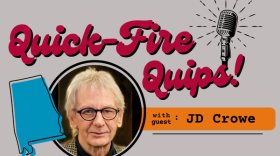 What does it take to turn Alabama politics into cartoons? Mostly patience, Pink Floyd playlists and waiting for someone to act up. Tune into our latest Quick-Fire Quips with "moderately disturbed" editorial cartoonist JD Crowe to hear the stories behind his most memorable sketches. Plus: iconic sunsets and tiki bar vibes at Fairhope's American Legion Post 199, his go-to road trip snack, how his art landed in the Baseball Hall of Fame before Pete Rose, and why you should check out the local Story Slam at The Book Cellar.
 -
-
 Beau’s Law is Alabama’s first statewide statute establishing minimum care requirements for dogs kept outdoors. It is in effect NOW!
 -
 In this episode of BrightPath, hosts Lisa Jones and Johnnie Aycock sit down with Dr. Andrea Cevasco-Trotter, Director & Professor of Music Therapy at The University of Alabama, and Singer-Songwriter & Recording Artist Matt Jones to explore why music, poetry, film, and art can trigger powerful emotional responses—and why those responses differ from person to person. It begins with a personal experience of hearing the same song twice but reacting differently the second time, raising a larger question about how changes within us, rather than changes in the art itself, shape what we feel. The discussion sets up an exploration of the brain, emotion, memory, and personal experience from two perspectives.
 -
 Walking your dog may seem like a chore at times, but it's good for both of you, for your health and for your relationship!
 -
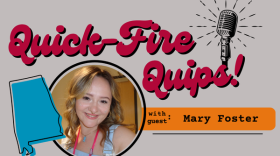 How does an 11-year-old camper finding her rhythm behind a drum set turn into a lifelong calling to empower young women? Find out on this episode of Quick-Fire Quips with Mary Foster, former camper and current mentor with Girls Rock Birmingham. She opens up about finding her home in music, how the non-profit builds confidence and community on stage at Saturn, and why spaces built for young women are so vital in today's music scene. Plus, hear all about the return of the free, come-as-you-are Girls Rock Fest at Avondale Brewing Company!


