-
 Now that the first lunar travelers in more than a half-century are safely back in Houston with their families, NASA has Artemis III in its sights. One question for this plan appears to be, where’s Apollo 10?
 -
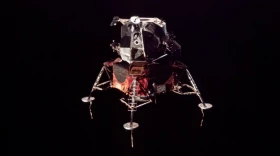 The astronauts of Artemis-2 are getting used to normal gravity after spending nine days in weightlessness. The yet-to-be name crew of Artemis-3 may spend part of their time in orbit facing the same risks as Apollo astronauts Jim McDivitt and Rusty Schweikart in 1969. Those astronauts tested the bug-like lunar lander that Neil Armstrong and Buzz Aldrin would use during the first ever landing on the Moon.
 -
 Drawing ever closer to Earth, the Artemis II astronauts tidied up their lunar cruiser for the upcoming “fireball” return and reflected on their historic journey around the moon, describing it as surreal and profound. This is the end of their journey, which began aboard NASA's new "Space Launch System" rocket which was designed, built, tested, and managed at the Marshall Space Flight Center in Huntsville.
 -
 When four NASA astronauts blasted off on Artemis-2, something was trending on the social media platform Bluesky. It was called "Challenger trauma." People posted about witnessing the 1986 space shuttle Challenger accident and how they felt a visceral sense of unease as Artemis lifted off from the launch pad. The four astronauts blasted off on a rocket built here in Alabama. The investigation into the loss of Challenger focused, in part, on a statement witnesses say was made by a manager at the Marshall Space Flight Center in Huntsville.
 -
 Jimmy Wales of Huntsville recalls how the windows of his boyhood home would rattle. NASA engineers, nearby, were testing the Saturn V rockets that would send astronauts to the moon. Wales is among the youngsters referred to as the "children of Apollo." Kids, including Steve Jobs of Apple and Bill Gates of Microsoft, were reportedly inspired by the Astronaut Neil Armstrong's "one small step" on the moon. Wales boyhood in Huntsville was one topic we take up in this encore presentation of "APR Notebook." It's at 8:30 am on Alabama Public Radio.
 -
 After traveling deeper into space than any other humans, the Artemis II astronauts pointed their moonship toward home Monday night . NASA’s Orion capsule reached a maximum distance of 252,756 miles from Earth before hanging a U-turn behind the moon, 4,101 miles farther than Apollo 13. One astronaut from that earlier mission knew it was coming.
 -
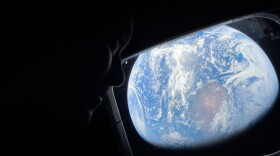 Now more than halfway to the moon, the Artemis II astronauts prepared for their historic lunar fly-around to push deeper into space than even the Apollo astronauts. On the downside, a key piece of equipment is on the blink again.
 -
 NASA’s Artemis-2 astronauts fired their engines and blazed toward the moon Thursday night, breaking free of the chains that have trapped humanity in shallow laps around Earth in the decades since Apollo. The Marshall Space Flight Center is gearing up for the next launch of NASA's new "Space Launch System" rocket on Artemis-3.
 -
 NASA is counting down the hours before the first trip around the moon by astronauts since 1972. The mission of Artemis two begins with a ride to space aboard a rocket made here in Alabama. Some of the engineers who made the Apollo lunar missions possible are still in the Huntsville area and NASA knows it.
 -
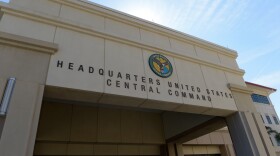 A federal prosecutor says a man who fled to China after leaving an explosive device outside MacDill Air Force Base in Tampa has been indicted along with his sister in Florida on federal charges, and their mother has been detained pending deportation for overstaying her visa. The device was flown to an FBI lab in Huntsville for analysis.

Digital Media Center
Bryant-Denny Stadium, Gate 4
Box 870370
920 Paul Bryant Drive
Tuscaloosa, AL 35487-0370
205-348-6644
© 2026 Alabama Public Radio
Bryant-Denny Stadium, Gate 4
Box 870370
920 Paul Bryant Drive
Tuscaloosa, AL 35487-0370
205-348-6644
© 2026 Alabama Public Radio
Play Live Radio
Next Up:
0:00
0:00
Available On Air Stations


